

Say Goodbye to Shoulder Pain: Discover Chiropractic Care in Libertyville, IL

Shoulder pain drastically limits daily activities, making simple tasks like reaching for a cup or getting dressed excruciating. This persistent discomfort robs individuals of sleep, hinders work performance, and prevents engagement in beloved hobbies. Chiropractic care offers a highly effective, natural solution for relief and recovery. This article explores how chiropractic care can alleviate shoulder pain, with a specific focus on residents seeking dedicated treatment in Libertyville, IL.
Understanding the Roots of Your Shoulder Pain: A Chiropractor’s Perspective
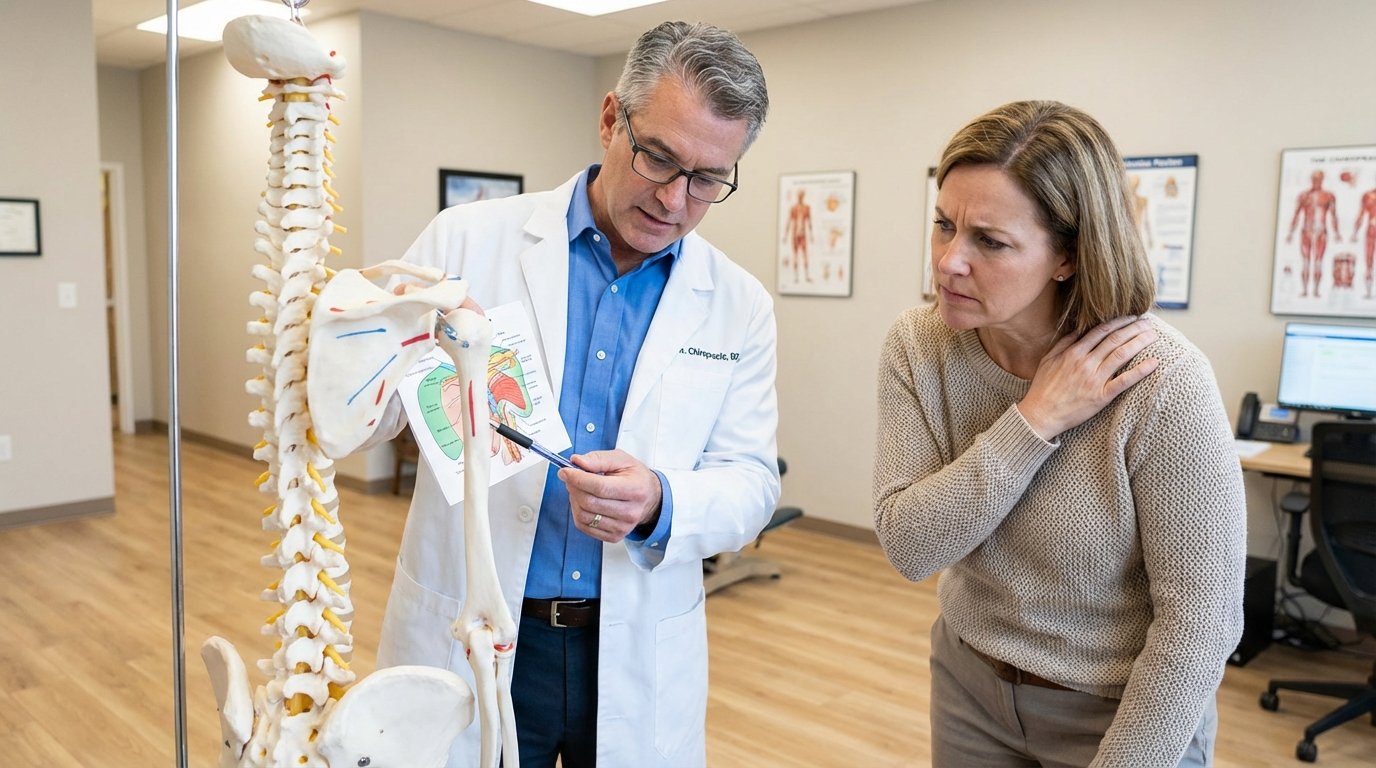
Shoulder pain often stems from complex biomechanical issues originating beyond the immediate site of discomfort. The shoulder’s intricate design, combined with its extensive use, makes it particularly susceptible to injury and dysfunction. A chiropractor evaluates the entire musculoskeletal system to uncover the true source of your symptoms.
The Intricate Design of Your Shoulder Joint and Its Vulnerability
The shoulder complex comprises several joints, most notably the glenohumeral joint, often referred to as a “ball and socket” joint. This design allows for an unparalleled range of motion, enabling movements like throwing, reaching, and lifting. Surrounding this dynamic joint are crucial structures: the rotator cuff muscles, which stabilize the shoulder and facilitate rotation; numerous tendons that connect muscle to bone; ligaments that provide structural support by connecting bones; and bursae, fluid-filled sacs that reduce friction during movement. This incredible mobility, while beneficial, inherently compromises stability, making the shoulder prone to instability, dislocations, and various forms of injury.
Common Causes of Shoulder Pain Treated by Chiropractors
Chiropractors effectively treat a wide array of conditions causing shoulder pain, addressing both acute and chronic issues. Understanding these common culprits helps in accurate diagnosis and targeted treatment.
- Acute Injuries: These result from sudden, specific events. Sports injuries, such as those sustained during throwing or contact sports, frequently impact the shoulder. Auto accidents, particularly whiplash-type injuries, often cause referred pain or direct impact trauma to the shoulder. Falls onto an outstretched arm or directly onto the shoulder can lead to fractures, dislocations, or severe sprains. Sudden strains from activities like heavy weightlifting can also damage shoulder muscles and tendons.
- Overuse Injuries: Repetitive motions, common in certain sports or occupations, lead to overuse injuries. Tendinitis, an inflammation of tendons, commonly affects the biceps tendon or the rotator cuff tendons. Bursitis involves inflammation of the bursae, causing pain with movement and at rest. Chronic muscle strains develop over time from repetitive stress or poor biomechanics.
- Chronic Conditions: Long-term issues significantly impact shoulder health. Osteoarthritis, a degenerative joint disease, causes cartilage breakdown and bone-on-bone friction, leading to pain and stiffness. Frozen shoulder, or adhesive capsulitis, presents as severe stiffness and limited range of motion, often progressing in stages. Shoulder impingement syndrome occurs when rotator cuff tendons or the bursa become compressed between the bones of the shoulder, particularly during overhead movements. Rotator cuff injuries range from minor strains to full tears, severely limiting arm movement and strength. Nerve compression, such as thoracic outlet syndrome or pinched nerves in the neck, can refer pain directly to the shoulder, arm, and hand.
- Posture-Related Pain: Poor posture, especially common among office workers or those with sedentary lifestyles, creates muscle imbalances. Rounded shoulders and forward head posture place chronic stress on the shoulder joint, leading to tension, pain, and increased susceptibility to other injuries.
The Critical Neck-Shoulder Connection: Addressing Referred Pain
Problems originating in the cervical spine, or neck, frequently cause or contribute to shoulder pain. The network of nerves that innervate the shoulder and arm exits the spinal cord in the neck. Conditions like radiculopathy, where a nerve root in the neck is compressed or irritated, can cause pain, numbness, tingling, and weakness that radiates down into the shoulder, arm, and even the hand.
Beyond nerve pathways, muscle tension in the neck and upper back often radiates into the shoulder area. Chronic stress, poor posture, or specific injuries can lead to trigger points and tightness in muscles like the trapezius, levator scapulae, and rhomboids, manifesting as deep, aching shoulder pain. Chiropractors understand the importance of assessing the entire kinetic chain, not just the shoulder itself. This comprehensive evaluation is crucial for individuals experiencing both neck and shoulder pain, ensuring that treatment addresses all contributing factors and provides lasting relief.
How Chiropractic Care Offers Comprehensive Shoulder Pain Relief

Chiropractic treatment for shoulder pain focuses on restoring proper joint function, reducing nerve interference, and promoting the body’s natural healing abilities through a variety of targeted techniques. This holistic approach aims to alleviate symptoms and address the underlying causes of discomfort, leading to long-term relief and improved function.
A Personalized Approach: Thorough Assessment and Accurate Diagnosis
Successful treatment begins with a precise diagnosis. During an initial consultation at Cross-Up Chiropractic in Libertyville, IL, a detailed health history is taken, covering the onset, nature, and progression of your shoulder pain, along with any related symptoms or past injuries. This is followed by a comprehensive physical examination. The chiropractor assesses your range of motion in the neck and shoulder, observes your posture, and performs specific orthopedic and neurological tests. These tests help identify muscle weakness, nerve impingement, joint instability, or inflammatory processes. By meticulously evaluating these factors, chiropractors accurately identify the root cause of your pain, distinguishing between localized shoulder issues and referred pain originating from the neck or upper back. This thorough process ensures a personalized and effective treatment plan.
Beyond Adjustments: Advanced Chiropractic Techniques for Shoulder Pain
Chiropractic care for shoulder pain extends far beyond spinal adjustments, employing a diverse range of techniques to facilitate healing and restore function.
- Spinal Adjustments: While focusing on the shoulder, chiropractors often address misalignments in the cervical (neck) and thoracic (mid-back) spine. These adjustments reduce nerve interference that can refer pain to the shoulder and correct postural imbalances contributing to shoulder dysfunction. Restoring proper spinal alignment improves overall nervous system function and supports the shoulder’s biomechanics.
- Extremity Adjustments: Direct manipulation of the shoulder joint itself, including the glenohumeral (main shoulder joint), acromioclavicular (AC), and sternoclavicular (SC) joints, is a cornerstone of shoulder pain treatment. These precise adjustments restore optimal alignment and mobility to the shoulder complex, reducing impingement and improving overall joint mechanics.
- Myofascial Release & Soft Tissue Techniques: Chiropractors utilize various manual techniques to address muscle and connective tissue issues. Manual trigger point therapy involves applying sustained pressure to hyper-irritable spots within muscles, releasing tension and reducing referred pain. Techniques like Graston Technique or Instrument-Assisted Soft Tissue Mobilization (IASTM) use specialized tools to detect and break down fascial adhesions and scar tissue, improving tissue extensibility and circulation. Ischemic compression involves applying sustained pressure to tight bands in muscles to encourage relaxation and increased blood flow. These methods reduce muscle tension, improve tissue flexibility, and accelerate healing.
- Therapeutic Exercises & Stretches: A critical component of recovery involves prescribed therapeutic exercises and stretches. These are specifically tailored to strengthen weak muscles, improve stability, and increase the flexibility and range of motion of the shoulder. Patients receive clear instructions for home exercise programs, empowering them to actively participate in their recovery and maintain long-term results.
- Posture Correction & Ergonomic Guidance: Poor posture significantly contributes to shoulder pain and its recurrence. Chiropractors provide detailed advice on proper posture, particularly for individuals in desk-bound jobs. This includes recommendations for workplace ergonomics, such as adjusting monitor height and chair position. Guidance on optimal sleeping positions and daily habits helps prevent re-injury and supports the body’s natural alignment.
- Other Modalities: Depending on the specific case and the chiropractor’s expertise, additional modalities may complement treatment. Electrical stimulation can reduce pain and muscle spasms. Heat therapy promotes relaxation and increases blood flow, while cold therapy reduces inflammation and swelling. If offered at Cross-Up Chiropractic, dry needling can target specific muscle trigger points to relieve pain and improve muscle function.
The Science Behind the Relief: How Chiropractic Promotes Healing
Chiropractic care for shoulder pain initiates several physiological benefits that collectively promote healing and pain relief. Spinal and extremity adjustments help reduce inflammation by restoring normal joint mechanics and nerve function, which in turn diminishes pain signals. Improved nerve function ensures clear communication between the brain and the shoulder muscles, enhancing muscle control and coordination. Adjustments and soft tissue techniques increase blood flow to injured areas, delivering essential nutrients and oxygen required for tissue repair and waste removal.
Muscle relaxation occurs as tension is released through targeted techniques, alleviating spasms and discomfort. Furthermore, chiropractic care can stimulate the body’s natural pain modulation systems, leading to the release of endorphins, which are natural pain relievers. This comprehensive approach also contributes to enhanced neuroplasticity, meaning the brain’s ability to reorganize itself by forming new neural connections, which is vital for adapting to new movement patterns and sustaining pain-free function. These combined mechanisms accelerate healing, restore optimal function, and significantly reduce pain, allowing individuals to regain an active lifestyle.
Your Journey to a Pain-Free Shoulder with Cross-Up Chiropractic

Investing in chiropractic care means choosing a partner dedicated to your holistic well-being and long-term relief from shoulder pain. Cross-Up Chiropractic in Libertyville, IL, guides you through a personalized journey to recovery.
Is Chiropractic Right for Your Specific Shoulder Pain?
Chiropractic care is an excellent option for individuals experiencing a wide range of shoulder pain, from acute sports injuries to chronic conditions like impingement or arthritis. Ideal candidates seek natural, non-invasive treatments and are committed to participating actively in their recovery. Chiropractic care proves highly beneficial for addressing muscle imbalances, joint restrictions, nerve impingements, and postural issues that contribute to shoulder discomfort. Early intervention often leads to faster and more complete recovery, preventing acute conditions from becoming chronic. Chiropractic can serve as a primary treatment approach or as a complementary therapy alongside other medical interventions, enhancing overall outcomes. In situations involving severe trauma, suspected fractures, or persistent neurological deficits, a medical doctor referral might be necessary before or during chiropractic care to ensure comprehensive evaluation and appropriate co-management.
Your First Visit at Cross-Up Chiropractic in Libertyville, IL
Your journey to a pain-free shoulder begins with a thorough and welcoming first visit at Cross-Up Chiropractic. You will undergo an initial consultation where you discuss your health history, current symptoms, and lifestyle factors. The chiropractor performs a comprehensive physical examination, which includes assessing your posture, range of motion, muscle strength, and specific orthopedic and neurological tests related to your shoulder and neck. This detailed assessment allows for an accurate diagnosis, identifying the precise source of your pain. Following the examination, the chiropractor explains the findings clearly, discussing the diagnosis and outlining a personalized treatment plan tailored to your specific needs and health goals. This collaborative approach ensures you understand each step of your recovery.
Long-Term Wellness: Prevention and Maintenance Strategies
Achieving lasting relief from shoulder pain involves more than just initial treatment; it requires a commitment to long-term wellness. Cross-Up Chiropractic emphasizes ongoing care, which may include periodic maintenance adjustments to prevent recurrence and address new stressors before they become problematic. Our team provides valuable education on lifestyle modifications, such as incorporating regular stretching and strengthening exercises into your routine, maintaining proper hydration, and adopting anti-inflammatory dietary choices. We empower you with self-management techniques, teaching you how to recognize early warning signs and apply simple strategies to alleviate discomfort. Chiropractors serve as educators, guiding you toward healthier habits and empowering you to maintain your results and prevent future episodes of shoulder pain, fostering a life of sustained mobility and comfort.
Frequently Asked Questions (FAQ) About Chiropractic for Shoulder Pain
Can a chiropractor help with a pinched nerve in the shoulder?
Yes, a chiropractor can often provide significant relief for a pinched nerve affecting the shoulder. They achieve this by identifying and correcting misalignments in the cervical spine (neck) or upper thoracic spine, which may be compressing nerve roots. Restoring proper spinal alignment alleviates pressure on the nerve, reduces inflammation, and improves nerve function, leading to decreased pain, tingling, and numbness in the shoulder and arm.
How does chiropractic adjustment for shoulder pain differ from other treatments?
Chiropractic care for shoulder pain adopts a holistic, non-invasive approach. Unlike treatments that solely focus on symptom management (e.g., pain medication), chiropractic aims to identify and correct the underlying biomechanical dysfunctions causing the pain. It utilizes manual adjustments to restore joint mobility, soft tissue techniques to address muscle imbalances, and emphasizes patient education on posture and exercises, promoting the body’s natural healing abilities rather than relying on drugs or surgery.
Can chiropractic care help with shoulder pain from lifting weights or sports injuries?
Yes, chiropractic care effectively addresses shoulder pain resulting from lifting weights or sports injuries. These activities often lead to muscle strains, ligament sprains, joint subluxations, or imbalances in the rotator cuff. A chiropractor assesses the specific injury, restores proper joint mechanics through adjustments, reduces muscle tension with soft tissue techniques, and prescribes rehabilitative exercises to strengthen supporting muscles and improve stability, facilitating recovery and preventing future injuries.
Can a chiropractor help with a rotator cuff injury?
A chiropractor can significantly help with many rotator cuff injuries, particularly strains and less severe tears. While severe, full-thickness tears often require surgical consultation, chiropractic care can reduce pain, inflammation, and improve range of motion for partial tears and tendinitis. Treatment focuses on restoring proper shoulder joint mechanics, strengthening supporting muscles, improving posture, and utilizing soft tissue techniques to aid tissue healing and prevent further damage.
What is the typical duration of chiropractic care for shoulder pain?
The duration of chiropractic care for shoulder pain varies considerably depending on the specific condition, its severity, how long the patient has experienced pain, and their individual healing capacity. Acute conditions often respond in a few weeks, while chronic issues may require several months of consistent care. A treatment plan usually involves an initial intensive phase to reduce pain, followed by a corrective phase to stabilize the joint, and then a maintenance phase. Adherence to prescribed exercises and lifestyle modifications also influences the overall length of care.
Is chiropractic for shoulder pain safe for seniors or those with arthritis?
Yes, chiropractic care for shoulder pain is safe for seniors and individuals with arthritis. Chiropractors employ gentle, modified techniques specifically tailored to each patient’s age, physical condition, and specific health concerns, including the presence of arthritis or osteoporosis. Techniques are adapted to ensure comfort and safety while still effectively restoring mobility and reducing pain. A thorough initial assessment ensures the chosen techniques are appropriate for the individual.
Should I see a medical doctor or a chiropractor first for my shoulder pain?
For musculoskeletal shoulder pain without severe trauma, a chiropractor is an excellent starting point. Chiropractors are highly skilled in diagnosing and treating common shoulder conditions. If your pain is severe, sudden, or accompanied by symptoms like fever, chills, or extreme weakness, consulting a medical doctor initially is advisable to rule out underlying serious conditions. For most chronic or sub-acute shoulder discomfort, a chiropractor offers a direct path to conservative, non-invasive treatment.
Why does my shoulder hurt when I reach back or overhead?
Pain when reaching back or overhead often indicates issues like shoulder impingement syndrome, where tendons or bursae get pinched within the shoulder joint. It can also point to rotator cuff tendinitis or tears, glenohumeral joint dysfunction, or even nerve compression from the neck. A chiropractor performs specific orthopedic tests to diagnose the exact cause of your pain during these movements and develops a targeted treatment plan.
Can a chiropractor help with a frozen shoulder or shoulder impingement?
Yes, chiropractors effectively treat both frozen shoulder (adhesive capsulitis) and shoulder impingement. For frozen shoulder, treatment focuses on restoring mobility through gentle extremity adjustments, specific stretching exercises, and soft tissue work to break down adhesions and increase range of motion. For shoulder impingement, chiropractors aim to improve joint mechanics, reduce inflammation, strengthen the rotator cuff, and correct posture to alleviate the compression of tendons and bursae.
What is the difference between chiropractic care for shoulder pain versus neck and shoulder pain?
When a patient presents with only shoulder pain, the chiropractor’s assessment primarily focuses on the shoulder joint, surrounding muscles, and upper back. If the patient experiences both neck and shoulder pain, the assessment expands to thoroughly evaluate the cervical spine. Treatment for neck and shoulder pain will often include spinal adjustments to the neck, specific exercises for neck mobility and strength, in addition to shoulder-focused techniques, to address any nerve impingement or referred pain originating from the cervical area.
Don’t let shoulder pain dictate your life any longer. At Cross-Up Chiropractic in Libertyville, IL, our expert team is dedicated to providing personalized, effective, and natural solutions for your shoulder discomfort, whether it’s a nagging ache, a sports injury, or radiating pain from your neck. We utilize advanced chiropractic techniques to restore your mobility, reduce pain, and empower you to live a fuller, more active life. If you’re searching for “chiropractic care for shoulder pain near me” or “chiropractic treatment for neck and shoulder pain near me” in Libertyville, IL, look no further. Contact Cross-Up Chiropractic today to schedule your consultation and take the first step towards lasting relief!